
TSTC Harlingen Home
Discover Texas State Technical College Discover YourselfExtension of Banner
>>Request Information Welcome | Programs | Academics | Admissions | Financial Aid | MyTSTC | Apply Online | Jobs | Gifts
» Welcome Letter» Program Requirements» Curriculum» Career Outlook» Clinical Practice Objectives» Clinical Instruction» Clinical Breakdown» Scrub Duties» Circulating Responsibilities» Advisory Committee» Facilities» Cost and Financial Aid» Customer Service» INSTRUCTORS


Surgical Technology:
voice: 956.364.4805
voice: 800.852.8784

Department Chair:
Robert Sanchez
voice: 956.364.4805
voice: 800.852.8784
Email: Surgical Technology

Mailing Address:
Surgical Technology
TSTC Harlingen
1902 North Loop 499
Harlingen, TX 78550

Location:
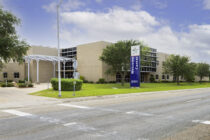
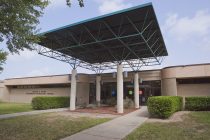
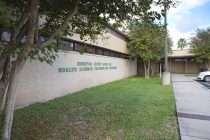
Located in the Sen. Eddie Lucio Health Science Technology Building

Office Hours:
M - F: 8:00 AM - 5:00 PM
Sat., Sun.: Closed

Surgical Technology

Students must be THEA or ACCUPLACER COMPLETE

Criminal Background checks now required.  For more information see Surgical Technology Program advisor.

The Surgical Technology Program will be offering an Associates of Applied Science (AAS) degree  .Assiting In Surgery

The Surgical Technologist is a vital member of the Surgical Team. Surgical technologists, also called surgical or operating room technologists, assist in operations under the supervision of surgeons, registered nurses, or other surgical personnel. Before an operation, surgical technologists help set up the operating room with surgical instruments and equipment, and sterile solutions. They assemble, adjust, and check non-sterile equipment to ensure that all is working properly. Technologists also prepare patients for surgery by washing, shaving, and disinfecting incision sites. They transport patients to the operating room and help position them on the operating table. Technologists also observe patients’ vital signs and check charts. The technologist helps the surgical team don sterile gowns and gloves, and apply the sterile surgical “drapes” prior to the start of the surgical procedure.

During surgery, technologists pass instruments and other sterile supplies to surgeons and surgeon assistants. They may hold retractors, cut sutures, and help count sponges, needles, supplies, and instruments. Surgical technologists help prepare, care for, and dispose of specimens taken for laboratory analysis and may help apply dressings. They may operate sterilizers, lights, or suction machines, and help operate diagnostic equipment.

After an operation, surgical technologists may help transfer patients to the recovery room, and clean and restock the operating room.

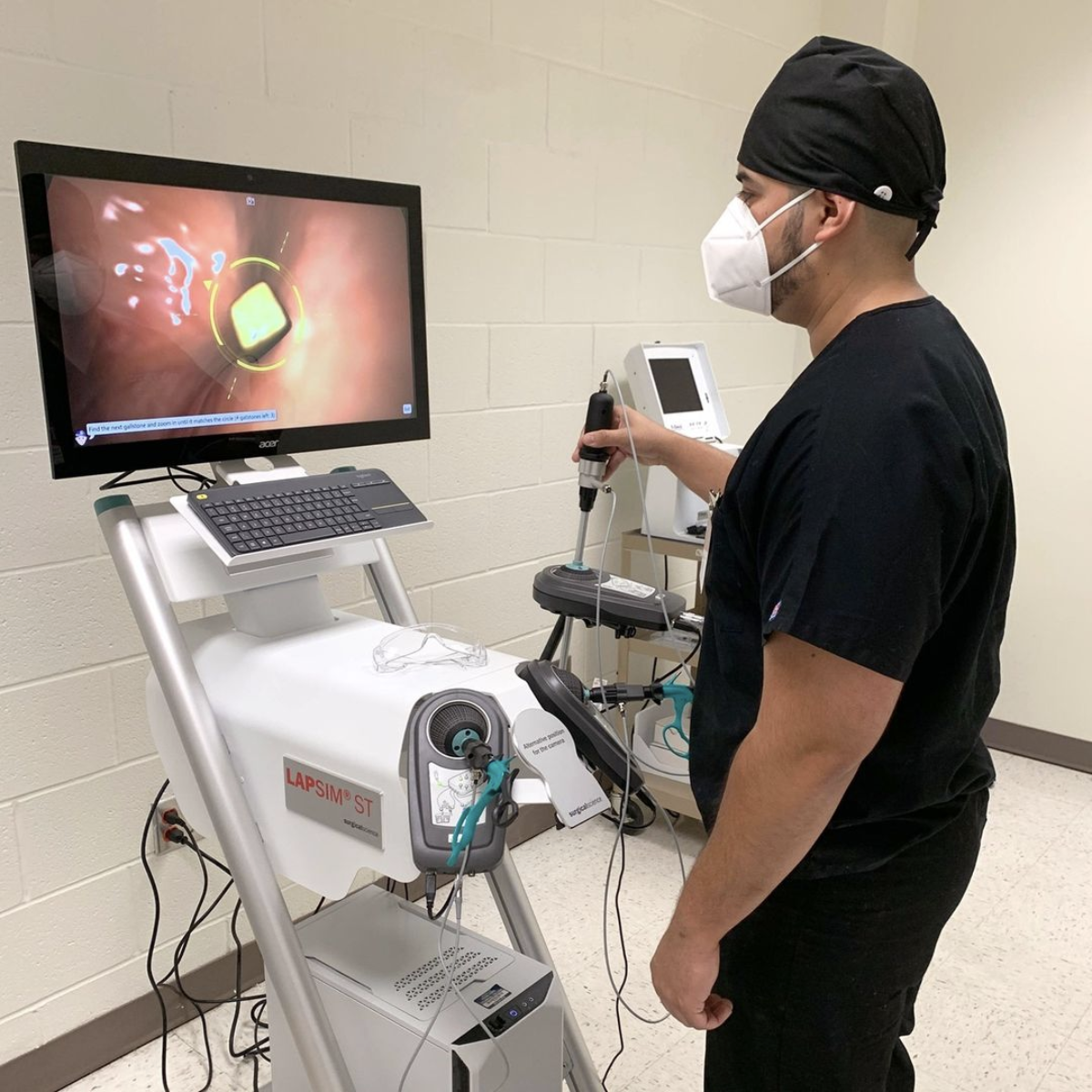
This program provides classroom education and supervised clinical experience. Students take courses in anatomy and physiology, microbiology, pharmacology, professional ethics, medical terminology, speech, computers and psychology. Other studies cover the care and safety of patients during surgery, aseptic techniques and surgical procedures. Students also learn to sterilize instruments; prevent and control infection; and handle special drugs, solutions, supplies and equipment.

Surgical Technologists must possess manual dexterity to handle instruments efficiently. They also must be conscientious, orderly, and emotionally stable to handle the demands of the operating room environment. Technologists must respond quickly and have a full understanding of the procedures so that they may anticipate the needs of the surgeons without having to be asked for instruments or supplies. They are expected to keep abreast of new developments in the field.

Technologists advance by specializing in a particular area of surgery, such as orthopedics, neurosurgery or open heart surgery. They may also work as circulating technologists. A circulating technologist is the “unsterile” person during the procedure who interviews the patient before surgery, keeps a written account of the surgical procedure and answers the surgeon’s questions about the patient during the surgery. With additional training, some technologists advance to first assistants, who help with retracting, sponging, suturing, cauterizing bleeders, and closing and treating wounds. Some surgical technologists manage central supply departments in hospitals or take positions with insurance companies, sterile supply services, and operating equipment firms.

The Surgical Technology Program is accredited by Commission on Accreditation of Allied Health Education Programs (CAAHEP). CAAHEP accredits Surgical Technology Programs upon the recommendation of the Accreditation Review Committee on Education in Surgical Technology (ARC-ST). The program received accreditation on October 15, 1999.

The Liason Council on certification for Surgical Technologist (LCC-ST) is responsible for the national certifying examinations for the Certified Surgical Technologist (CST) and the Certified Surgical Technologist/Certified First Assistant (CST/CFA).

note: This program is offered only during the day.

Surgical Technician